
Benelux Making Responsible Supply Chains Work
Building responsible supply chains takes shared effort. Buyers depend on suppliers for reliable information, while suppliers need clear expectations and support to meet them. As requirements evolve across Europe and China, strengthening that relationship is an important part of business resilience.
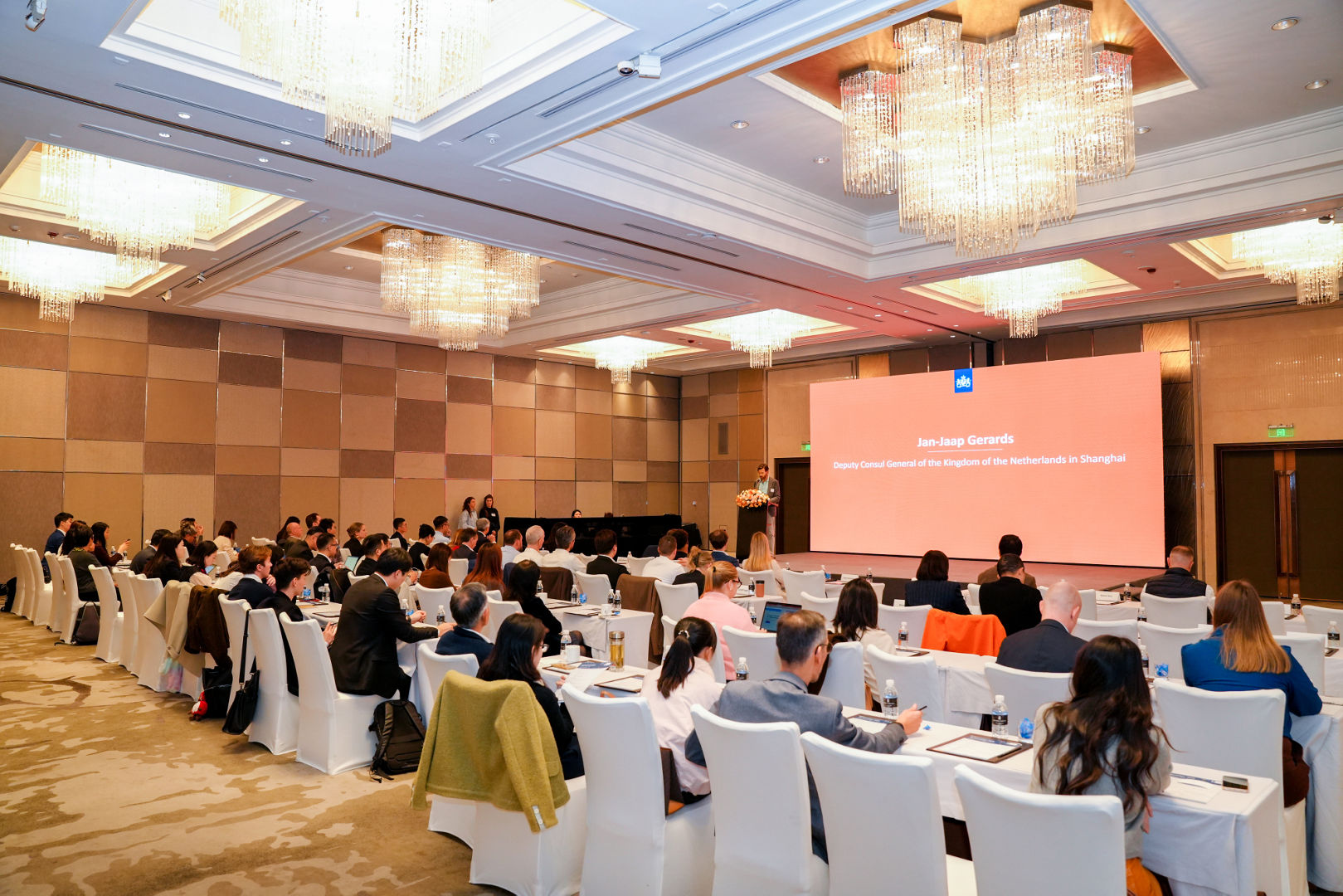
This challenge brought business professionals, experts and policymakers together on 18 November at the Portman Ritz-Carlton Shanghai for Responsible and Resilient Supply Chains, co-organised by the Consulate General of the Kingdom of the Netherlands in Shanghai and the Benelux Chamber of Commerce East China.
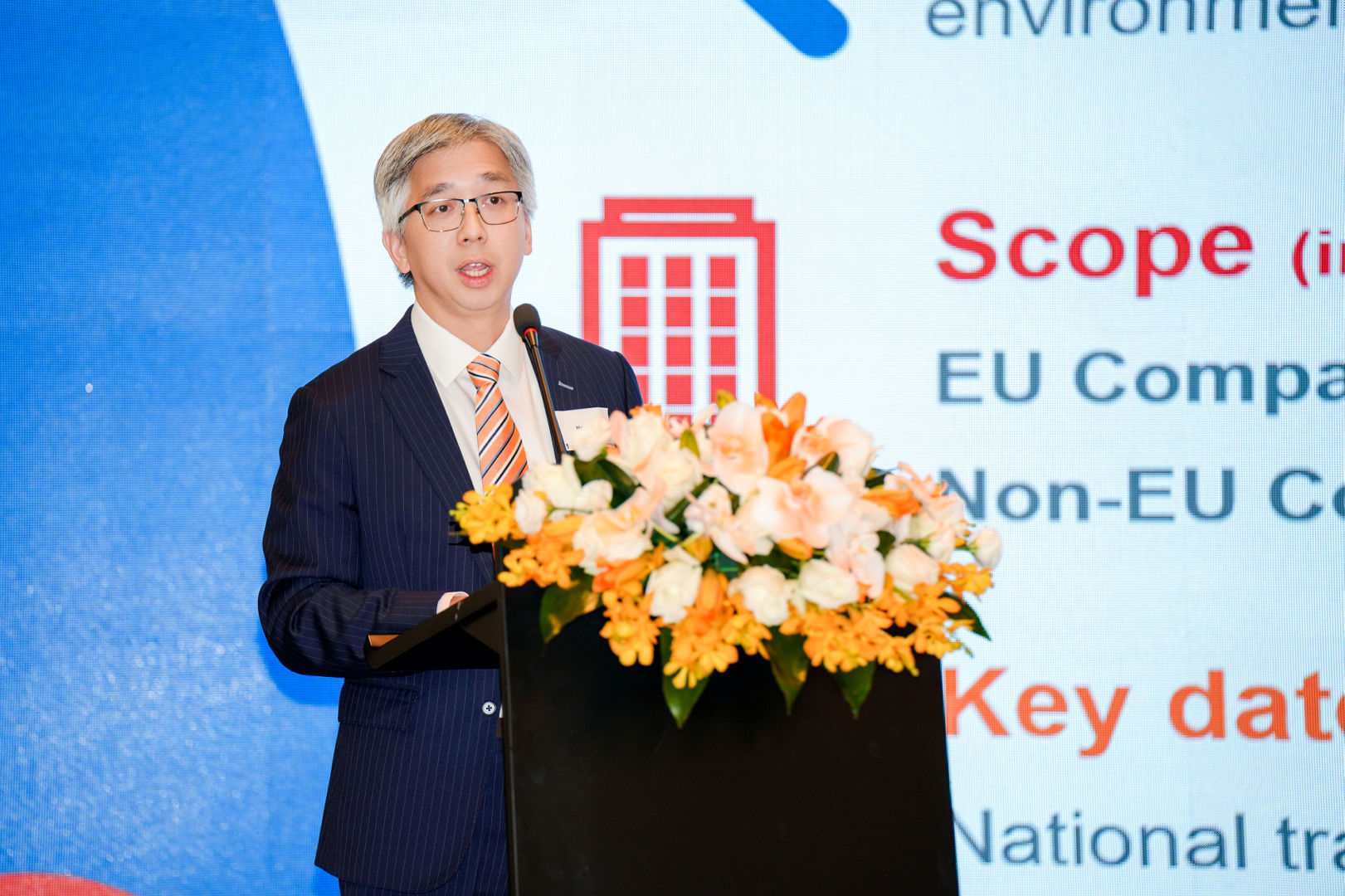
Amfori’s Hong Lee emphasised that responsible business conduct is best advanced through shared effort. As regulatory requirements evolve in both the EU and China, many suppliers are still building their readiness, making a supportive and proportionate approach essential. Anchoring efforts in common international principles helps businesses work towards shared expectations, while reporting needs to translate into meaningful action. Stronger cooperation between buyers and suppliers can support this progress, helping build supply chains that are fairer, more resilient and better prepared for the future.
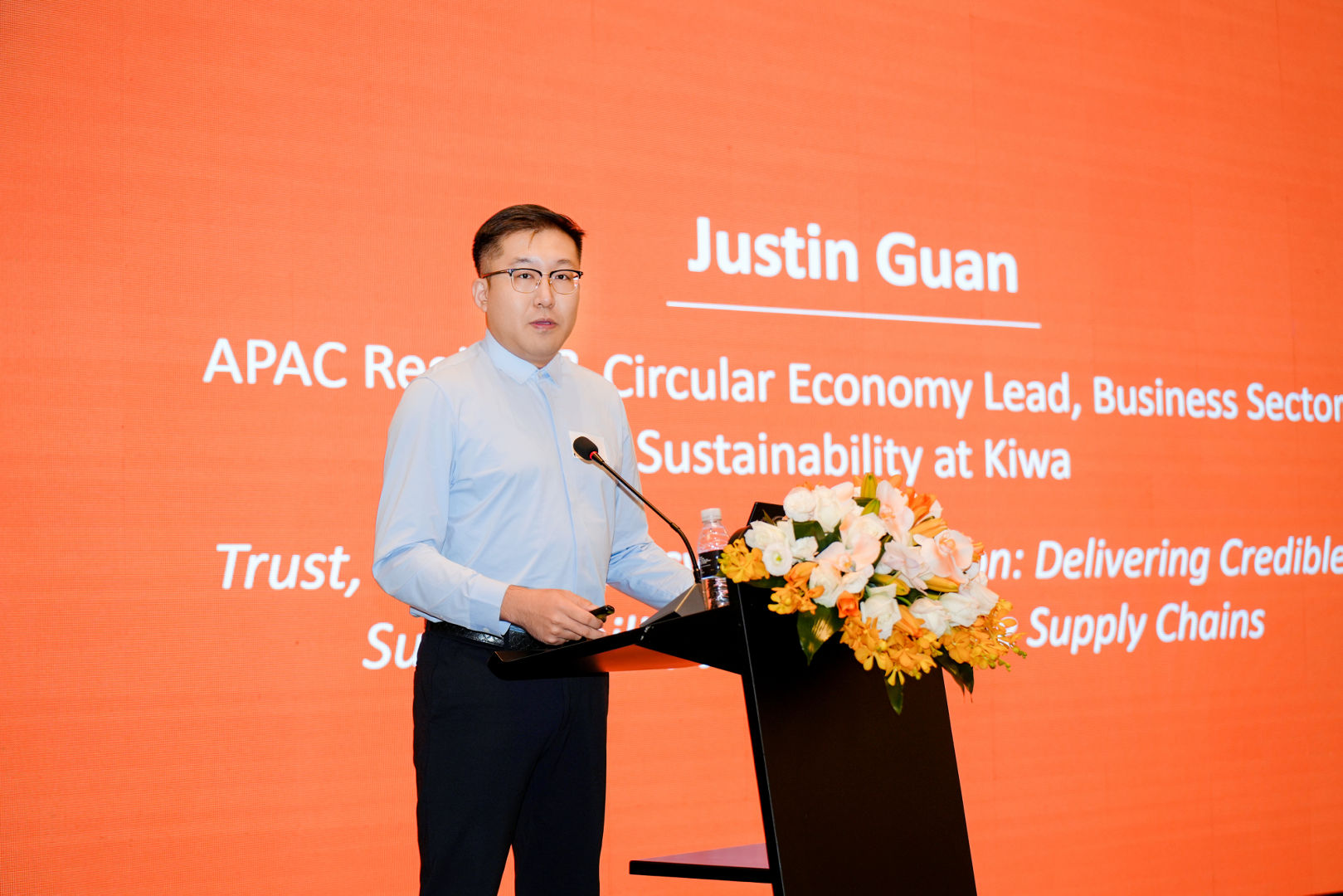
Justin Guan, representing our member Kiwa, highlighted the importance of trust, transparency and measurable progress. Disconnected spreadsheets, inconsistent measurement methods and limited visibility beyond direct suppliers can make sustainability commitments difficult to substantiate. Independent verification starts at the source of the data and helps companies build systems that maintain its reliability over time. The aim is continuous improvement, supported by credible evidence. For businesses working between Europe and China, this also means bridging the gap between the information European buyers request and the records Chinese suppliers maintain.
The contribution of the Consulate General of the Kingdom of the Netherlands in Shanghai reinforced that due diligence requires ongoing engagement: identifying significant risks, working with partners to address them, and checking whether those efforts are effective. JunHe added a perspective on navigating both European and Chinese regulatory expectations, including how international requests for supplier information interact with local requirements on data collection and transfers.
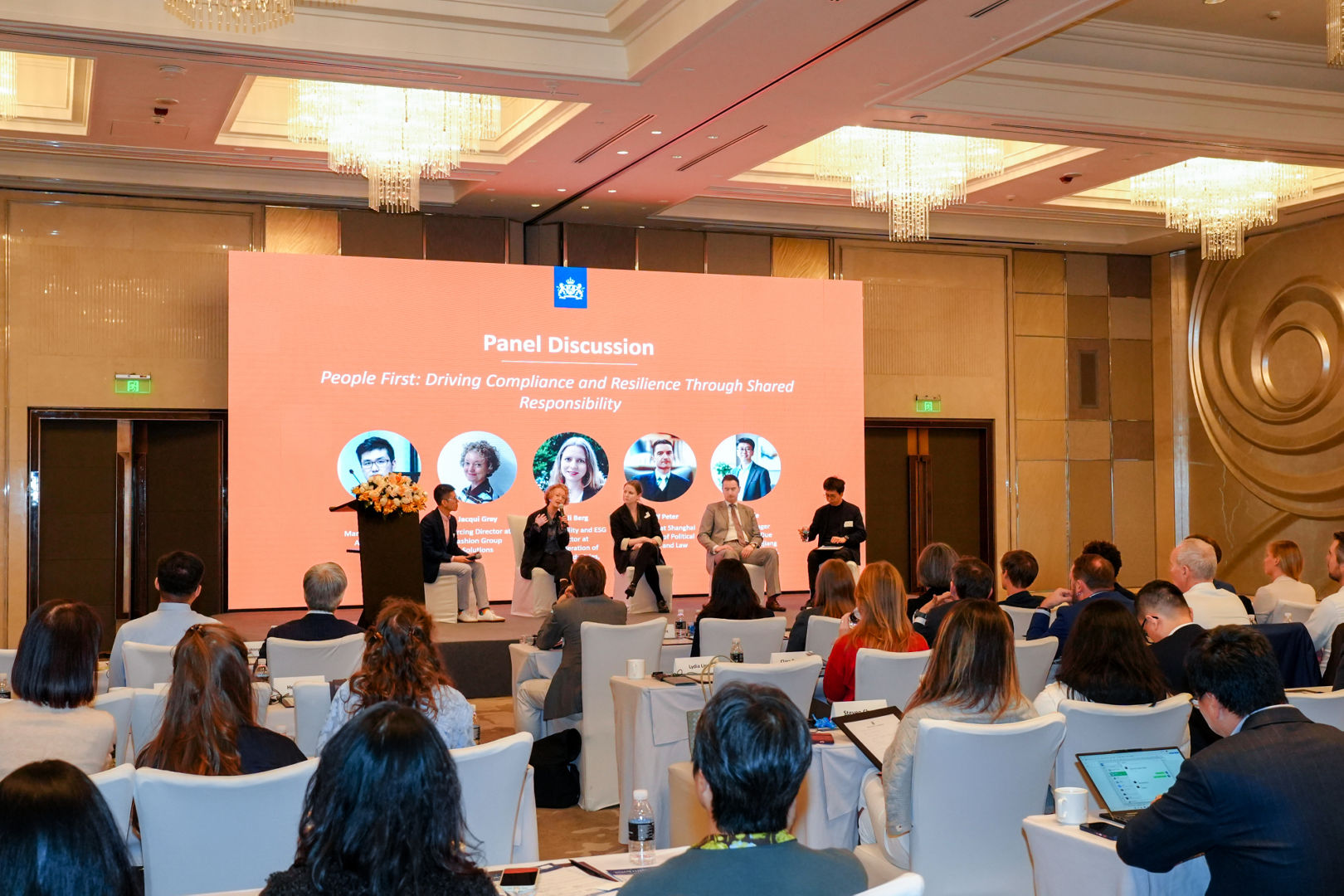
The People First panel explored shared responsibility between brands, suppliers and other stakeholders. Moderated by Walter Lin (Sedex), it brought together Jacqui Gray (Fashion Group Solutions), Heidi Berg (Confederation of Danish Industries, China Office), Professor Adolf Peter (Shanghai University of Political Science and Law) and Fang Xie (Zhejiang Huayu Cobalt) to discuss due diligence in complex supply chains.
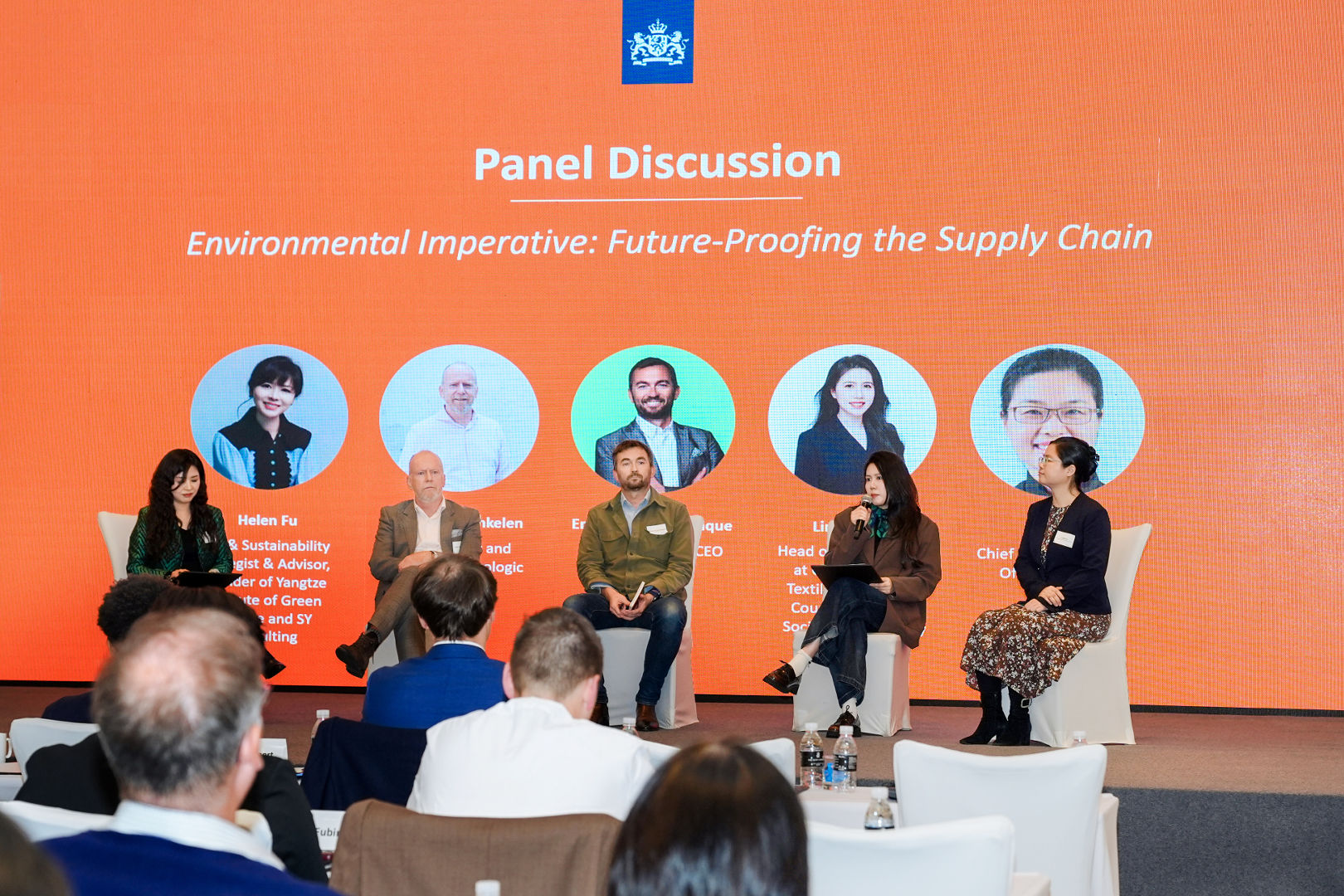
The environmental panel featured our members Paul van Brenkelen (Eqologic) and Emmanuel Delplanque (Be-cause), alongside Lirong Sun (China National Textile and Apparel Council) and Lydia Lin (ZDHC). Moderated by Helen Fu (Yangtze Institute of Green Finance and SY Consulting), the discussion focused on preparing supply chains for environmental challenges.
Across these contributions, the practical priority was clear: connect reliable information with action, and give business partners the support needed to improve. Participants continued exchanging experiences over a networking dinner.
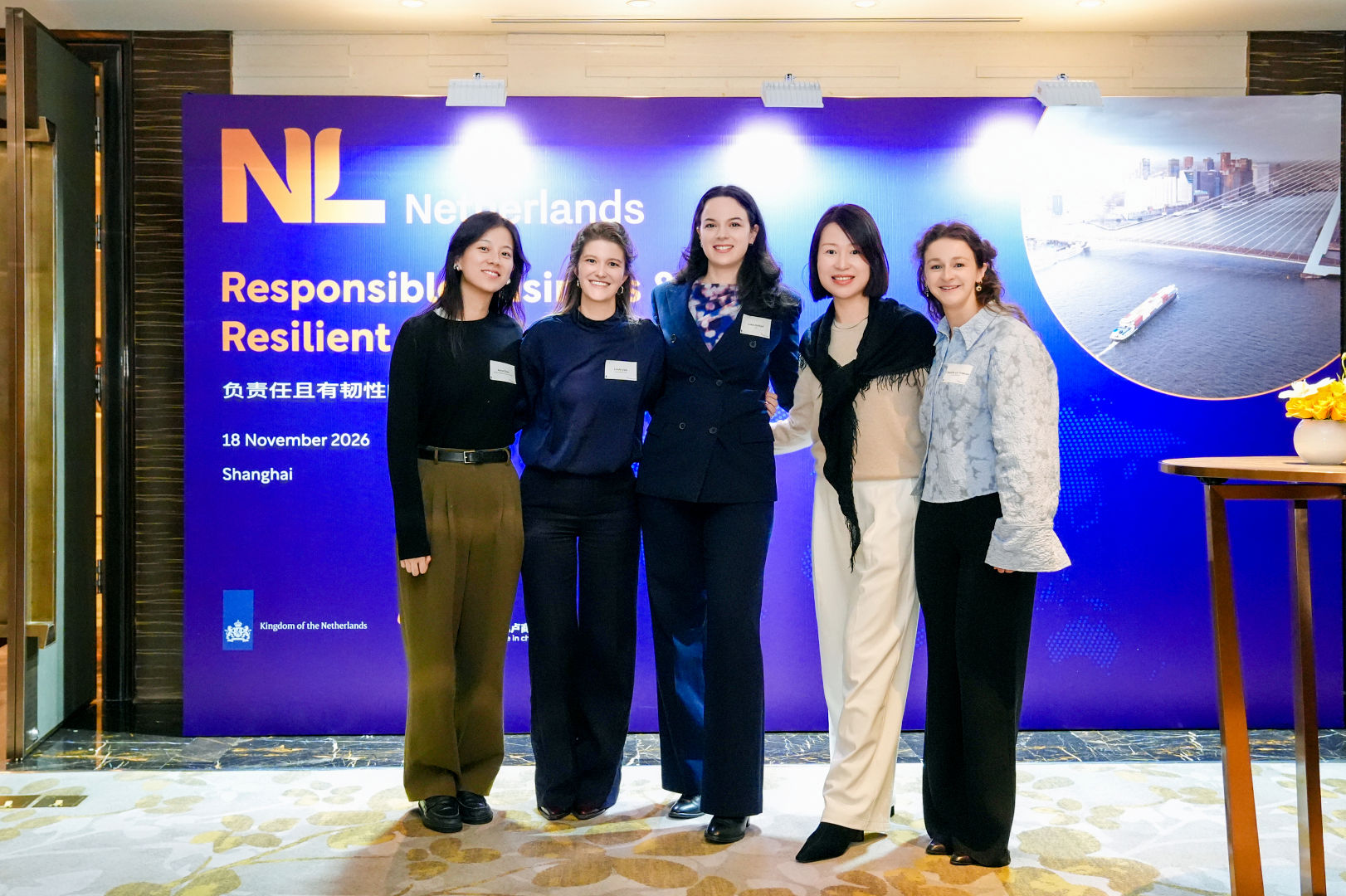
We thank the Consulate General of the Kingdom of the Netherlands in Shanghai for the collaboration, and all speakers, panellists and participants for their contributions.